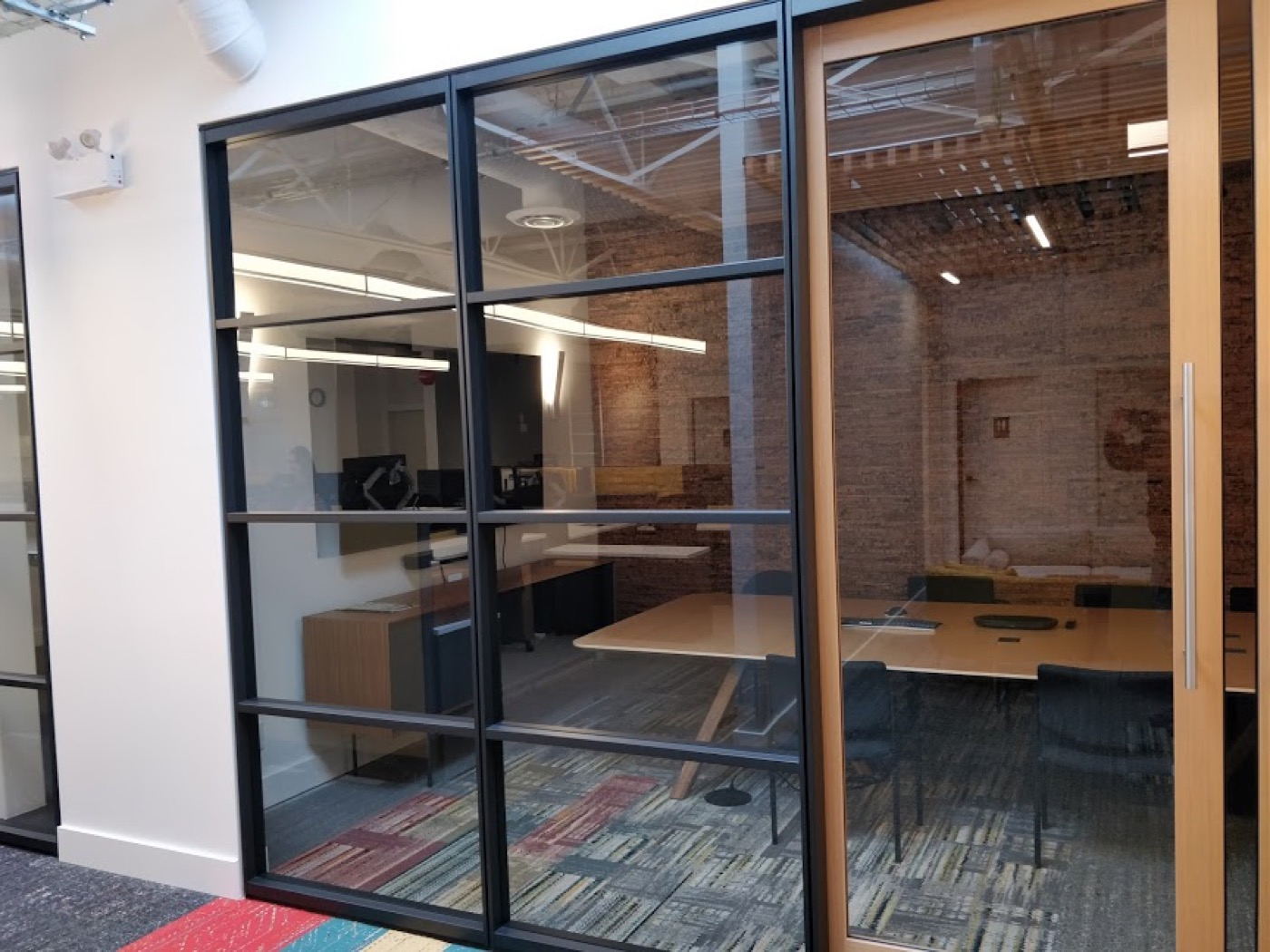
Sustainable Tenant Improvements: Green Building in Commercial Spaces
Sustainable Tenant Improvements: Green Building in Commercial Spaces
The landscape of commercial real estate is undergoing a profound transformation. Beyond aesthetic appeal and functional layout, a new imperative has emerged: sustainability. For business owners and property managers alike, embracing sustainable tenant improvements (TIs) in commercial spaces is no longer a niche consideration but a strategic necessity. This comprehensive guide will delve into the multifaceted world of green building for commercial TIs, offering practical, actionable advice, referencing relevant codes and standards, and illustrating the tangible benefits of this forward-thinking approach.
The Imperative of Green: Why Sustainable TIs Matter
The reasons for adopting sustainable practices in commercial spaces are manifold and compelling. From mitigating climate change to enhancing occupant well-being and reducing operational costs, the benefits resonate across environmental, economic, and social spheres.
#### Environmental Stewardship
At its core, sustainable construction aims to minimize the negative impact of buildings on the natural environment. This includes reducing energy consumption, conserving water resources, minimizing waste generation, and utilizing responsibly sourced materials. For commercial TIs, this translates into a smaller carbon footprint, reduced strain on local utilities, and a contribution to broader environmental protection efforts. The building sector is a significant contributor to global greenhouse gas emissions, and by making conscious choices during TIs, businesses can be part of the solution.
#### Economic Advantages
While the initial investment in sustainable features might sometimes be perceived as higher, the long-term economic benefits often significantly outweigh these upfront costs. Reduced utility bills (electricity, water, gas) are a primary driver. Sustainable TIs also contribute to increased property value, attracting environmentally conscious tenants and buyers. Furthermore, some jurisdictions offer tax incentives, grants, or expedited permitting for green building projects, further enhancing their financial appeal. The concept of "life cycle costing," which evaluates the total cost of ownership over the building's lifespan, consistently demonstrates the financial superiority of sustainable designs.
#### Enhanced Occupant Well-being and Productivity
Beyond the environmental and economic, sustainable TIs have a direct and positive impact on the people who inhabit these spaces. Improved indoor air quality (IAQ), enhanced natural light, thermal comfort, and reduced noise pollution are all hallmarks of green buildings. Research consistently links these factors to increased employee productivity, reduced absenteeism, and higher job satisfaction. For business owners, this translates into a more engaged and healthier workforce, ultimately boosting their bottom line. Tenants are increasingly seeking spaces that prioritize their employees' health and comfort.
#### Regulatory Compliance and Brand Reputation
As environmental regulations become stricter and consumer awareness grows, businesses are finding it increasingly important to demonstrate their commitment to sustainability. Adhering to green building standards is becoming a de facto requirement in many markets. Moreover, a visibly sustainable commercial space can significantly enhance a company's brand image, attracting ethically conscious clients and employees, and differentiating them in a competitive marketplace. It signals a forward-thinking, responsible organization.
Key Pillars of Sustainable Tenant Improvements
Achieving truly sustainable commercial TIs requires a holistic approach, considering various aspects of design, construction, and operation. Here are the critical areas to focus on:
#### 1. Energy Efficiency: The Cornerstone of Green Buildings
Energy consumption is often the largest operational cost and environmental impact of a commercial space. Sustainable TIs prioritize significant reductions in energy use.
##### High-Performance HVAC Systems
The heating, ventilation, and air conditioning (HVAC) system is typically the largest energy consumer in a commercial building. Specifying high-efficiency HVAC units (e.g., variable refrigerant flow (VRF) systems, geothermal heat pumps) with appropriate sizing is paramount. * **ASHRAE 90.1 Compliance:** The American Society of Heating, Refrigerating and Air-Conditioning Engineers (ASHRAE) Standard 90.1, "Energy Standard for Buildings Except Low-Rise Residential Buildings," is a foundational code for energy efficiency. Adhering to or exceeding its requirements for HVAC system design, insulation levels, and other building envelope components is crucial. Many state and local building codes, including those based on the International Building Code (IBC) and International Energy Conservation Code (IECC), often reference ASHRAE 90.1. * **Zoning and Controls:** Implement granular zoning to allow for independent temperature control in different areas. Advanced building management systems (BMS) with occupancy sensors and programmable thermostats can optimize energy use by adjusting settings based on actual occupancy and schedules. * **Heat Recovery Ventilation (HRV) and Energy Recovery Ventilation (ERV):** These systems recover energy from exhaust air to pre-condition incoming fresh air, significantly reducing the energy load for heating and cooling.
##### Efficient Lighting Systems
Lighting can account for a significant portion of a commercial space's electricity consumption. * **LED Technology:** Transitioning from traditional fluorescent or incandescent lighting to Light Emitting D Diode (LED) technology is a fundamental step. LEDs are significantly more energy-efficient, have a longer lifespan, and offer better light quality. * **Daylight Harvesting:** Maximize the use of natural light through strategic window placement, light shelves, and open floor plans. Integrated daylight sensors can automatically dim or switch off artificial lights when sufficient natural light is available, often referenced under IECC guidelines. * **Occupancy Sensors and Motion Detectors:** Install sensors in offices, conference rooms, restrooms, and corridors to ensure lights are only on when spaces are occupied. * **Task Lighting:** Encourage the use of individualized task lighting to reduce the need for high levels of general ambient lighting, saving energy and providing occupants with more control.
##### Building Envelope Improvements
While TIs often focus on interior fit-outs, opportunities exist to improve the building envelope, especially in situations involving exterior walls or new window installations. * **Insulation:** Ensure adequate insulation in walls, roofs, and floors to minimize heat transfer. Comply with the R-value requirements set forth by local building codes, which are often derived from the IECC. * **High-Performance Windows:** Install double or triple-pane windows with low-emissivity (Low-E) coatings to reduce heat gain in summer and heat loss in winter. Consider external shading devices to mitigate solar heat gain.
#### 2. Water Conservation: A Precious Resource
Water scarcity is an increasingly pressing global issue. Sustainable TIs actively seek to reduce water consumption.
##### Low-Flow Fixtures
Install low-flow toilets, urinals, faucets, and showerheads in restrooms and kitchenettes. * **WaterSense Label:** Look for products carrying the U.S. Environmental Protection Agency's (EPA) WaterSense label, which indicates they meet strict criteria for water efficiency and performance, often exceeding standard industry requirements. * **Dual-Flush Toilets:** These toilets offer two flush options (full or half), catering to different waste types and saving significant water.
##### Efficient Landscaping (Where Applicable)
If the TI project includes any exterior landscaping, prioritize drought-tolerant native plants and efficient irrigation systems. * **Xeriscaping:** Designing landscapes to reduce or eliminate the need for irrigation. * **Smart Irrigation Controls:** Utilize weather-based or soil moisture-sensor-based irrigation systems that automatically adjust watering schedules based on actual need, preventing overwatering.
##### Water Leak Detection
Implement smart water meters and leak detection systems to quickly identify and address leaks, preventing significant water waste and potential property damage.
#### 3. Material Selection: A Foundation of Sustainability
The materials chosen for a TI project have profound environmental and health implications.
##### Recycled Content Materials
Prioritize materials that incorporate a high percentage of post-consumer or post-industrial recycled content. Examples include recycled content drywall, carpet tiles, ceiling tiles, and even composite decking for outdoor spaces. * **EPDs (Environmental Product Declarations):** Look for materials with EPDs, which provide transparent, third-party verified information about a product's environmental impacts throughout its life cycle.
##### Regionally Sourced Materials
Sourcing materials locally reduces transportation emissions and supports local economies. Define "local" based on project-specific distances (e.g., within 500 miles).
##### Rapidly Renewable and Sustainably Harvested Materials
Opt for materials derived from quickly regenerating natural resources, such as bamboo flooring, cork, and agricultural byproducts. For wood products, choose those certified by organizations like the Forest Stewardship Council (FSC), ensuring they come from responsibly managed forests.
##### Low-VOC (Volatile Organic Compound) Materials
VOCs are harmful chemicals released by many building materials, paints, adhesives, and finishes, contributing to poor indoor air quality. * **Green Seal, GREENGUARD, SCS Global Services:** Look for certifications from reputable third-party organizations that indicate low-VOC content. * **Specify low-VOC paints, adhesives, sealants, flooring, and furniture.** This is critical for occupant health and productivity.
##### Material Durability and Longevity
Invest in high-quality, durable materials that will last longer, reducing the need for premature replacement and minimizing waste over the building's lifespan.
##### Waste Reduction and Recycling During Construction
Develop a comprehensive waste management plan for the TI project. * **Construction and Demolition (C&D) Waste:** Aim to divert a significant percentage of C&D waste from landfills through recycling and reuse. This includes drywall, metal, wood, cardboard, and concrete. * **Deconstruction vs. Demolition:** Where possible, opt for deconstruction (careful dismantling) rather than demolition to salvage and reuse materials.
#### 4. Indoor Environmental Quality (IEQ): Nurturing Occupant Health
IEQ encompasses all aspects of the indoor environment that affect occupant health, comfort, and performance.
##### Ventilation and Fresh Air
Ensure adequate ventilation rates to dilute indoor pollutants. * **ASHRAE 62.1 Compliance:** ASHRAE Standard 62.1, "Ventilation for Acceptable Indoor Air Quality," provides minimum ventilation rates and other measures for ensuring acceptable IAQ. Building codes often reference this standard. * **Increased Fresh Air Intake:** Design HVAC systems to bring in more outside air than the minimum code requirements, especially during unoccupied hours or purge cycles. * **Operable Windows:** Where climatically appropriate and feasible, incorporating operable windows allows occupants to control their immediate environment and introduce natural ventilation.
##### Thermal Comfort
Achieve a comfortable indoor temperature and humidity range that can be adjusted to occupant preferences. * **Individual Zone Control:** Provide thermostats in individual offices or zones to allow occupants more control over their thermal environment. * **Humidity Control:** Maintain indoor humidity levels within a healthy range (typically 30-60%) to prevent mold growth and enhance comfort.
##### Acoustic Comfort
Minimize noise pollution from both internal and external sources. * **Sound-Absorbing Materials:** Incorporate acoustic panels, ceiling tiles, and floor coverings that absorb sound. * **Proper Wall Construction:** Use sound-attenuating insulation and staggered stud walls where noise reduction is critical. * **HVAC Noise Reduction:** Design HVAC systems for quiet operation, using appropriate ducting and balancing.
##### Visual Comfort and Biophilia
Optimize lighting to reduce glare, provide adequate illumination, and support circadian rhythms. * **Views to Nature:** Maximize views to the outdoors and natural elements, which have been shown to reduce stress and improve cognitive function. * **Biophilic Design Elements:** Incorporate natural patterns, materials, colors, and living plants into the interior design to connect occupants with nature.
Certifications and Standards: Guiding Your Green Journey
Several internationally recognized green building certification systems and standards can guide and validate your sustainable TI efforts.
#### LEED (Leadership in Energy and Environmental Design)
Developed by the U.S. Green Building Council (USGBC), LEED is the most widely recognized green building certification program globally. Specific versions relevant to TIs include: * **LEED for Interior Design and Construction (ID+C):** This rating system is specifically designed for commercial interior spaces undergoing TIs. It addresses core sustainability categories such as Energy and Atmosphere, Water Efficiency, Materials and Resources, Indoor Environmental Quality, and Sustainable Sites. Achieving LEED certification (Certified, Silver, Gold, Platinum) demonstrates a high level of commitment to sustainability.
#### WELL Building Standard
Developed by the International WELL Building Institute (IWBI), the WELL Building Standard focuses specifically on enhancing human health and well-being through the built environment. It addresses aspects like air, water, nourishment, light, fitness, comfort, and mind. Integrating WELL principles into TIs can create spaces that truly prioritize occupant health. Specific parts of WELL, like the "WELL Core and Shell" and "WELL Interiors" are directly applicable.
#### Green Globes
An alternative to LEED, Green Globes is a green building rating and certification system primarily used in North America. It offers a flexible and interactive assessment process, covering similar categories to LEED with a slightly different methodology. It also has a specific module for tenant improvements.
#### Living Building Challenge
Developed by the International Living Future Institute (ILFI), the Living Building Challenge is considered the most rigorous green building standard. It calls for buildings to be restorative, producing more energy than they consume, capturing and treating their own water, and using only non-toxic materials. While achieving full Living Building Challenge certification for a TI can be incredibly demanding, its principles can inspire innovative and regenerative design solutions.
#### ISO 14000 Series (Environmental Management)
While not a building certification, the ISO 14000 series provides a framework for organizations to establish an effective environmental management system (EMS). For large property management firms or businesses undertaking multiple TIs, implementing an EMS can ensure consistent adherence to environmental goals and continuous improvement.
Practical Advice for Business Owners and Property Managers
Implementing sustainable TIs requires strategic planning, collaboration, and a commitment to long-term value.
#### 1. Start Early and Integrate
Sustainability should be integrated from the very beginning of the TI project. * **Define Goals:** Clearly articulate your sustainability goals and desired certifications (e.g., "Achieve LEED Gold for our new office space," "Reduce energy consumption by 25%"). * **Engage Experts:** Bring in architects, engineers, and contractors with expertise in green building early in the design process. Their insights are invaluable.
#### 2. Conduct a Life Cycle Cost Analysis (LCCA)
Don't just look at upfront costs. An LCCA evaluates the total cost of ownership over the expected lifespan of systems and materials, including initial purchase, installation, energy, maintenance, and disposal costs. This often reveals that sustainable options, while sometimes more expensive initially, are more financially advantageous in the long run.
#### 3. Establish a Green Lease
For property managers and landlords, incorporating green clauses into lease agreements can promote sustainable practices. * **Energy Efficiency Targets:** Lease agreements can set targets for tenant energy consumption. * **Waste Management:** Mandate tenant participation in building-wide recycling and composting programs. * **Sustainable Purchasing:** Encourage or require tenants to use low-VOC materials and energy-efficient equipment in their fit-outs. * **Data Sharing:** Include provisions for sharing utility data to track progress and identify areas for improvement.
#### 4. Educate Occupants and Staff
The effectiveness of sustainable TIs relies heavily on occupant behavior. * **Awareness Campaigns:** Inform occupants about the sustainable features of their space and how to use them effectively (e.g., proper waste sorting, thermostat settings, light controls). * **Training:** Provide basic training on smart building systems for facility managers and office staff.
#### 5. Commissioning and Ongoing Monitoring
* **Commissioning (Cx):** Ensure that new building systems (HVAC, lighting, controls) are installed and operating according to design specifications and owner's requirements. This often reveals inefficiencies that can be corrected. * **Post-Occupancy Evaluation (POE):** Conduct evaluations after occupants move in to gather feedback on comfort, lighting, air quality, and overall satisfaction, allowing for continuous improvement. * **Metering and Sub-Metering:** Install smart meters to track energy and water consumption for different areas or systems, allowing for targeted efficiency improvements.
#### 6. Leverage Technology
Explore smart building technologies that can optimize performance. * **Building Management Systems (BMS):** Integrate control over HVAC, lighting, security, and fire safety systems for centralized management and data analysis. * **IoT Sensors:** Deploy Internet of Things (IoT) sensors for granular data on occupancy, air quality, temperature, and humidity, enabling dynamic adjustments.
#### 7. Comply with Local Codes and Regulations
While green building standards often go beyond minimum requirements, it's essential to ensure full compliance with all local building codes (e.g., IBC, local amendments), energy codes (e.g., IECC), plumbing codes, and accessibility standards (e.g., Americans with Disabilities Act - ADA), fire codes, etc. Many jurisdictions are now incorporating green building mandates into their standard codes.
Real-World Examples and Trends
The shift towards sustainable TIs is evident across various commercial sectors.
* **Tech Companies:** Often leaders in sustainable design, tech giants like Google and Apple frequently integrate biophilic design, advanced energy management systems, and healthy materials into their office spaces to attract and retain top talent. * **Healthcare Facilities:** Hospitals and clinics are increasingly adopting sustainable TIs to improve indoor air quality, reduce exposure to harmful chemicals, and create healing environments. This includes low-VOC materials, enhanced ventilation, and access to natural light. * **Retail Spaces:** Sustainable retail TIs might focus on energy-efficient lighting, recycled content display fixtures, and intelligent HVAC systems to reduce operational costs and appeal to environmentally conscious consumers. Some brands even use their sustainable store designs as a marketing tool. * **Financial Institutions:** Banks and corporate offices are opting for energy-efficient fit-outs, water-saving fixtures, and sustainable materials to align with corporate social responsibility goals and long-term financial prudence.
The trend towards net-zero or even net-positive buildings (generating more energy than they consume) is slowly extending into TI projects, particularly for owner-occupied spaces where long-term investment is more feasible. This might involve integrating on-site renewables (solar panels), advanced battery storage, and highly optimized building envelopes.
Conclusion
Sustainable tenant improvements are no longer a luxury but a fundamental component of responsible and successful commercial real estate development. For business owners, green TIs represent an investment in employee well-being, long-term operational savings, and a bolstered brand image. For property managers, they offer increased asset value, market differentiation, and compliance with evolving regulatory landscapes. By strategically addressing energy efficiency, water conservation, material selection, and indoor environmental quality, guided by established certification systems like LEED and WELL, stakeholders can create commercial spaces that are not only aesthetically pleasing and functionally optimized but also environmentally responsible and conducive to human thriving. The future of commercial spaces is green, and embracing sustainable TIs is the pathway to building a more resilient, healthy, and prosperous future for all.
Ready to Start Your Project?
Get a free consultation and detailed estimate for your tenant improvement project.
Get a Free Estimate