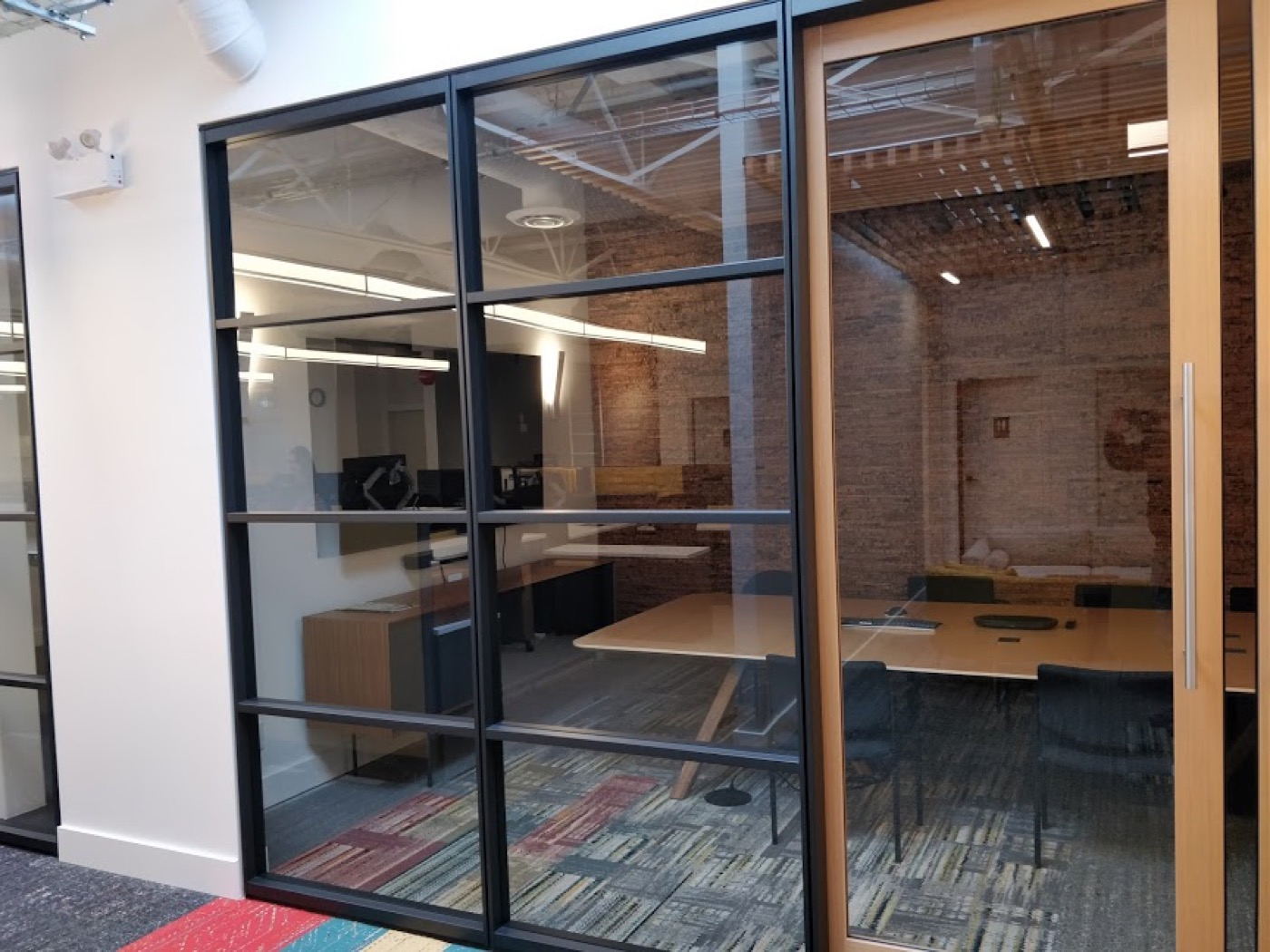
How to Control Construction Costs on a Tenant Improvement Project
Why Most TI Projects Go Over Budget
Industry data is consistent and uncomfortable: the average commercial tenant improvement project finishes 8–20% over its initial budget. For a $500,000 build-out, that means $40,000 to $100,000 of unplanned spending — money that often comes out of operating cash flow at exactly the wrong moment, just as the business is moving into a new space and absorbing the costs of relocation, IT setup, and ramp-up.
Understanding why this happens is the first step to preventing it. Cost overruns rarely come from a single dramatic event. They accumulate through a predictable sequence of small decisions: an early budget that was really a guess, a scope that wasn't fully defined before construction began, change orders priced without competitive pressure, a contingency that was too thin or got spent on the wrong things, and a schedule that slipped, dragging general conditions costs higher week after week.
This guide walks through the cost-control disciplines that experienced TI contractors and owners use to deliver projects on budget. Most are simple in concept; all of them require discipline to execute.
Discipline 1: Get a Real Number Before You Sign the Lease
The most expensive budget decisions on a TI project are made before the lease is signed. The space you choose determines which mechanical, electrical, and structural conditions you inherit — and these conditions often drive 30–50% of total construction cost. A space that appears cheap on a per-square-foot rental basis can carry $200,000 of hidden TI cost that a comparable space across the street wouldn't.
Before signing any commercial lease, commission a pre-lease site assessment from a qualified TI contractor. This assessment, typically costing $1,500 to $5,000, evaluates electrical capacity, HVAC condition and capacity, structural floor loading, plumbing access, fire protection coverage, accessibility compliance, and any code upgrades the space would trigger. The resulting report gives you a defensible TI cost range and identifies the major risk factors before you commit to the lease.
The negotiating leverage from this report alone often pays for the assessment ten times over. Landlords routinely increase tenant improvement allowances or accept rent abatement when shown documented cost issues with a space.
Discipline 2: Define Scope Completely Before Pricing
The single biggest source of budget surprises is pricing a project before the scope is fully defined. A "preliminary budget" based on a sketch and a verbal description is essentially a guess — and it always anchors expectations far below the eventual reality.
A defensible budget requires complete construction documents: architectural floor plans with all walls, doors, and finishes specified; mechanical, electrical, and plumbing drawings with equipment schedules; structural drawings if any modifications are involved; specifications for every finish, fixture, and piece of equipment; and a detailed scope-of-work narrative covering everything not on the drawings.
Investing 4–8 weeks and $15,000 to $60,000 in a complete design package before competitive bidding is the highest-ROI cost-control activity available. It eliminates the change orders that result from "we forgot to include that" and provides a true apples-to-apples comparison between bidders.
Discipline 3: Competitive Bidding With Qualified Bidders
Once scope is fully defined, competitive bidding from three to five qualified general contractors typically produces a 8–15% cost savings versus a sole-source negotiation. The keyword is "qualified" — bidding to contractors who lack the expertise to execute your project type produces low numbers that fall apart during construction through change orders and quality issues.
A good bid list for a typical TI project includes contractors with documented experience in your specific use type (office, medical, retail, restaurant, industrial), references from at least three completed projects of similar size and complexity, sufficient bonding capacity to cover your project, current insurance certificates, and demonstrated financial stability.
During bid evaluation, focus on more than the bottom-line number. Compare unit pricing for comparable items, the depth and clarity of each bidder's clarifications and exclusions, the strength of their proposed schedule, and the quality of their proposed project team. The lowest bid frequently becomes the highest final cost when it reflects an inadequate understanding of the work.
Discipline 4: Right-Size the Contingency
Every TI budget needs a contingency line for unforeseen conditions and minor scope adjustments. The right size depends on project type, design completion level, and existing-conditions knowledge. As a guideline: greenfield space with complete drawings and full pre-lease assessment, 5–8% contingency; previously occupied space with some unknowns behind walls, 8–12%; older buildings or specialty use types (medical, restaurant, industrial), 10–15%; heavy renovation of older space without full pre-construction investigation, 15–20%.
A contingency that's too small forces difficult mid-project decisions when the inevitable surprise emerges. A contingency that's too large invites scope creep — money that's "available" tends to get spent, often on items that weren't actually necessary.
Critically, the contingency should be held by the owner, not the contractor. Contingency funds should be released only against approved change orders supported by documented unforeseen conditions, not used as a flexible budget extension.
Discipline 5: Aggressive Change Order Management
Change orders are where TI budgets die. A typical project might see 15–40 change orders during construction, ranging from minor field adjustments to significant scope additions. Each one is an opportunity for cost overrun if not managed disciplined.
Best-practice change order management includes requiring written change order requests for any work outside the original contract scope, regardless of size; requiring detailed cost breakdowns showing labor hours, material costs, equipment, subcontractor pricing, and applied markups; competitively pricing significant change orders ($10,000+) by getting a separate quote from another qualified contractor where possible; tracking cumulative change order value against the contingency in real time, with weekly owner-contractor reviews; and rejecting "lump sum" change orders without supporting detail.
Many experienced owners negotiate a maximum percentage markup on change orders (typically 10–15% on direct costs) into the original contract, removing one of the most contentious negotiation points during construction.
Discipline 6: Value Engineering at the Right Time
Value engineering — systematically reducing cost without compromising function — is most effective during design, marginal during pricing, and least effective during construction. Yet many projects defer value engineering until the bid comes in over budget, then make rushed decisions under schedule pressure.
A better approach: build a value engineering review into the design schedule at the 60% and 90% drawing milestones. Have your contractor produce target value estimates at each milestone and identify items where alternative specifications would reduce cost without affecting program. Common value engineering opportunities include flooring substitutions (LVP for hardwood, modular carpet for broadloom), lighting fixture alternatives, reduced glass-partition footage, simplified ceiling treatments in back-of-house areas, standard rather than custom millwork, and reuse of existing HVAC where capacity allows.
A disciplined value engineering process typically reduces total cost by 5–12% with minimal impact on the user experience. Last-minute value engineering forced by an over-budget bid usually delivers smaller savings and more painful compromises.
Discipline 7: Schedule Discipline Equals Cost Discipline
Time is money on a construction project. General conditions costs — site supervision, temporary utilities, dumpsters, project management — typically run $4,000 to $12,000 per week for a mid-sized TI. A four-week schedule slip can easily add $40,000 to total cost, plus any liquidated damages from delayed occupancy, double rent, and lost revenue from delayed business operations.
Protect schedule by locking design changes before construction begins (every change after permit issuance carries some schedule penalty), ordering long-lead items (custom millwork, specialty equipment, large HVAC units) immediately after permit, holding weekly progress meetings with all key trades, and tracking critical-path activities daily during construction.
Discipline 8: Track Costs in Real Time
Many owners discover cost problems only when the final invoice arrives. By then, decisions are baked in and recovery is impossible. A disciplined cost-tracking system updates the actual-vs-budget position weekly, by line item, with explanatory notes on any variances. This level of visibility allows mid-course correction — pulling back on a finish allowance to fund a necessary mechanical change, for example — rather than discovering at the end that the project ran 18% over.
Most professional TI contractors will provide weekly cost reports as part of their service. If yours doesn't, ask. The information is essential, and the request signals that you intend to manage the project actively.
Frequently Asked Questions
How much contingency should I include in my TI budget?
For a typical office TI in previously occupied space with complete drawings, plan on 8–12% contingency. Older buildings, specialty uses, and incomplete pre-construction investigation can push contingency requirements to 15–20%.
What is the most common cause of TI budget overruns?
Incomplete scope definition before pricing. Projects priced from sketches or verbal descriptions consistently run 15–25% over their initial estimates because so many cost-driving details emerge only during construction.
Should I select my contractor based on the lowest bid?
No. Select based on a combination of price, demonstrated expertise in your project type, references from comparable projects, financial stability, and the strength of the proposed project team. The lowest bid frequently becomes the highest final cost.
How can I avoid change orders?
You can't eliminate change orders entirely on a renovation project, but you can dramatically reduce them through complete pre-construction design, thorough existing-conditions investigation, disciplined design freeze before construction begins, and aggressive scope review during the permit phase.
Conclusion
Cost control on a tenant improvement project is not about negotiating contractors down on price. It's about defining scope completely, selecting qualified bidders, holding adequate contingency, managing change orders disciplined, and tracking costs in real time. Owners who execute these disciplines consistently bring projects in within 3–5% of budget. Owners who skip them consistently exceed budget by 15% or more — a pattern that holds across project size, geography, and use type.
Frequently Asked Questions
How much contingency should I include in my TI budget?+
For a typical office TI in previously occupied space with complete drawings, plan on 8–12% contingency. Older buildings, specialty uses, and incomplete pre-construction investigation can push contingency requirements to 15–20%.
What is the most common cause of TI budget overruns?+
Incomplete scope definition before pricing. Projects priced from sketches or verbal descriptions consistently run 15–25% over their initial estimates because cost-driving details emerge only during construction.
Should I select my TI contractor based on the lowest bid?+
No. Select based on a combination of price, demonstrated expertise in your project type, references from comparable projects, financial stability, and the strength of the proposed project team.
How much do change orders typically add to a TI project?+
On average, change orders add 5–15% to the original contract value on tenant improvement projects, with poorly managed projects seeing change order totals of 20% or more.
Ready to Start Your Project?
Get a free consultation and detailed estimate for your tenant improvement project.
Get a Free Estimate